

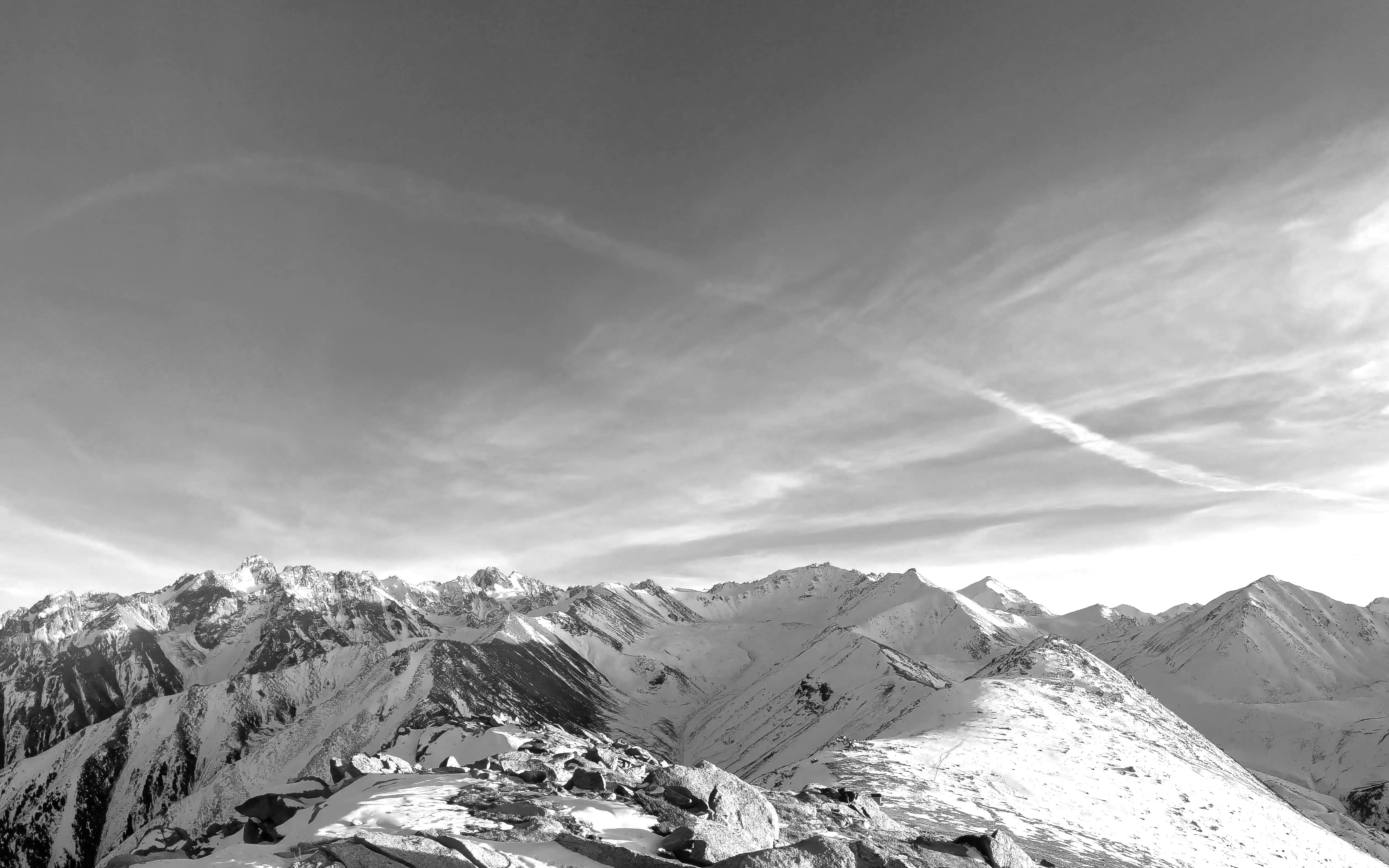
NIREKHA PEAK EXPEDITION
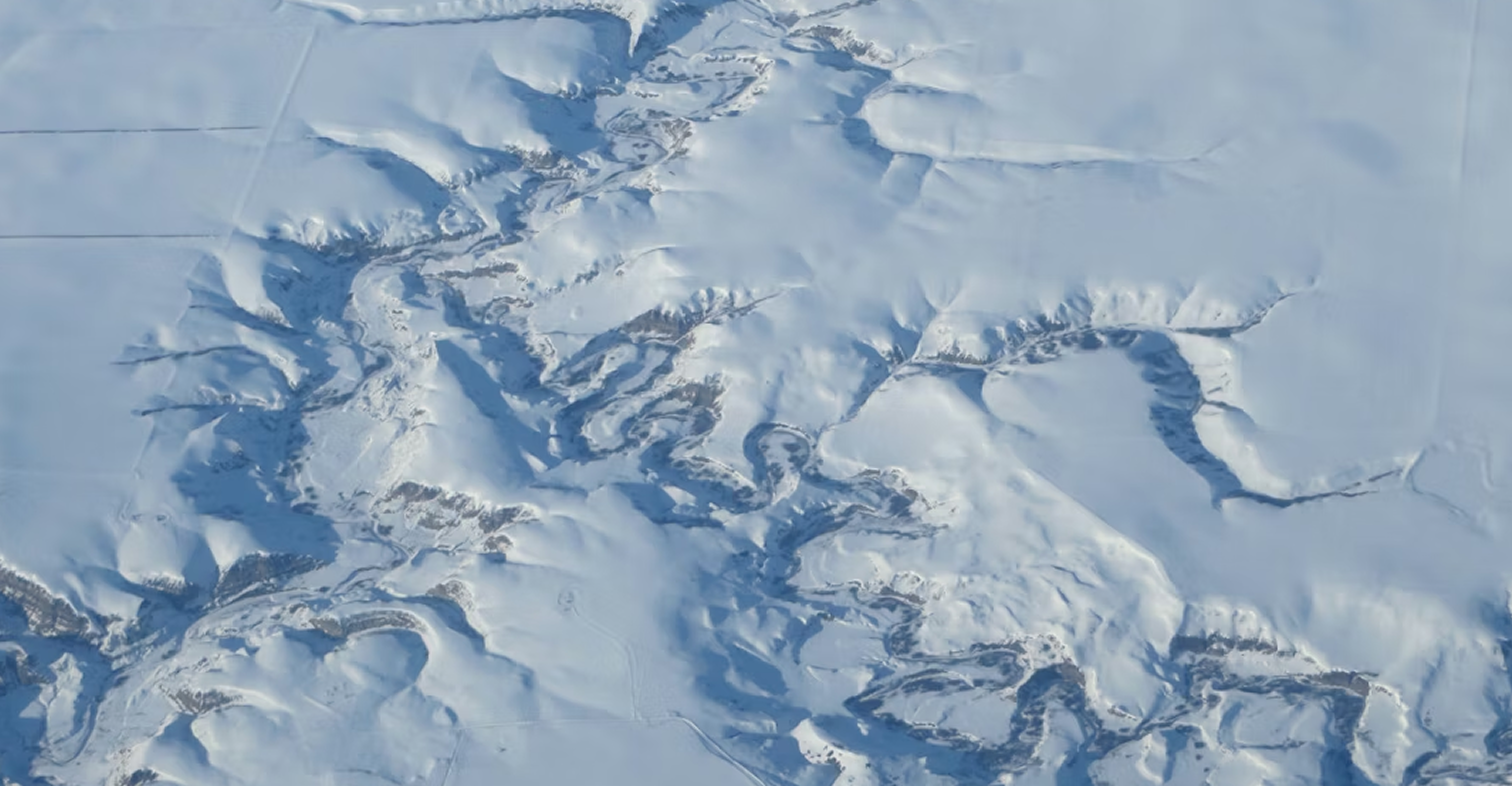
Trip Description
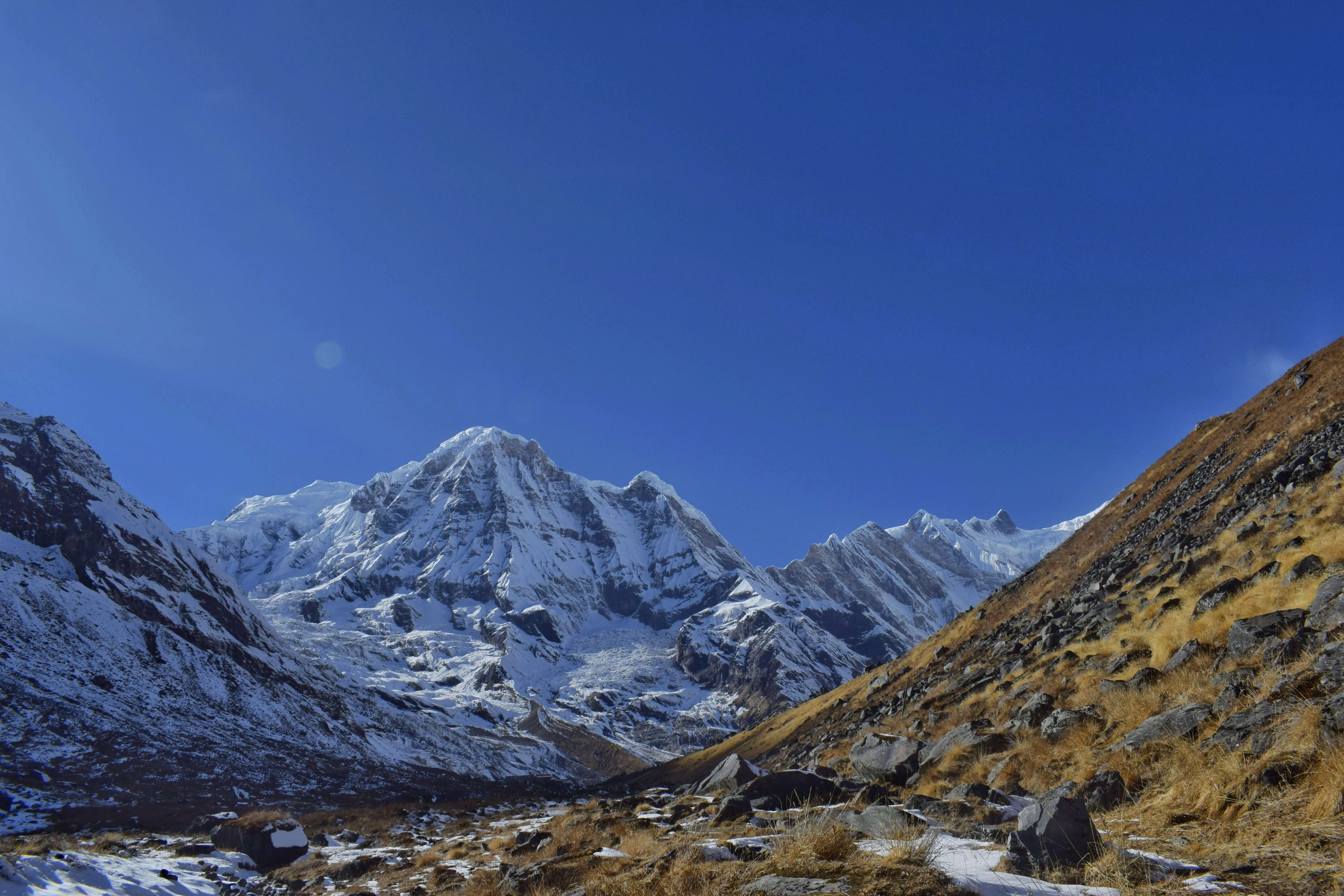
Nirekha Peak sits at the eastern end of the Cho La Col — the high glaciated pass that connects the Khumbu and Gokyo valleys. The peak is part of the same ridge chain as the Lobuche summits and stands close to the Tibetan border, tucked between the well-known giants of Everest, Cho Oyu, and Cholatse. Despite this exceptional location, it sees a fraction of the climber traffic that its neighbours attract.
The first ascent of Nirekha was completed in April 2003 by Matt Florets and Greg Valentine. The second ascent followed in October 2003, completed by an all-women team. Since its official opening as a permitted climbing peak in 2006, the mountain has remained one of the least-visited objectives in the region — a distinction that makes it all the more appealing for climbers who value authenticity and solitude over well-trodden routes.
The summit has two pyramid tops. The North Summit at 6,159m is the true summit and the objective of our expedition. The North Summit requires crossing a crevasse section but is the more accessible of the two tops. The South Summit demands a single pitch of steep 50-degree ice. Both options sit above a long summit ridge with spectacular exposure in every direction.
The approach to Base Camp follows the Gokyo valley — one of the most beautiful trekking corridors in all of Nepal. The trail passes through the Gokyo Lakes, which are the world's highest freshwater lakes, and alongside the Ngozumpa Glacier, the longest glacier in Nepal. This approach is not just a means to an end. It is a journey worth making in its own right.


Trip Overview
Nirekha Peak (6,159m) is one of Nepal's most recently opened climbing peaks and one of its best-kept secrets. Sitting within the Mahalangur Himal of the Everest region, just east of the Cho La Col, the peak shares its ridge with the Lobuche summits and stands in the company of some of the most iconic mountains on earth. Yet Nirekha itself remains almost entirely uncrowded. Very few expeditions have made it to the summit since its first ascent in April 2003.
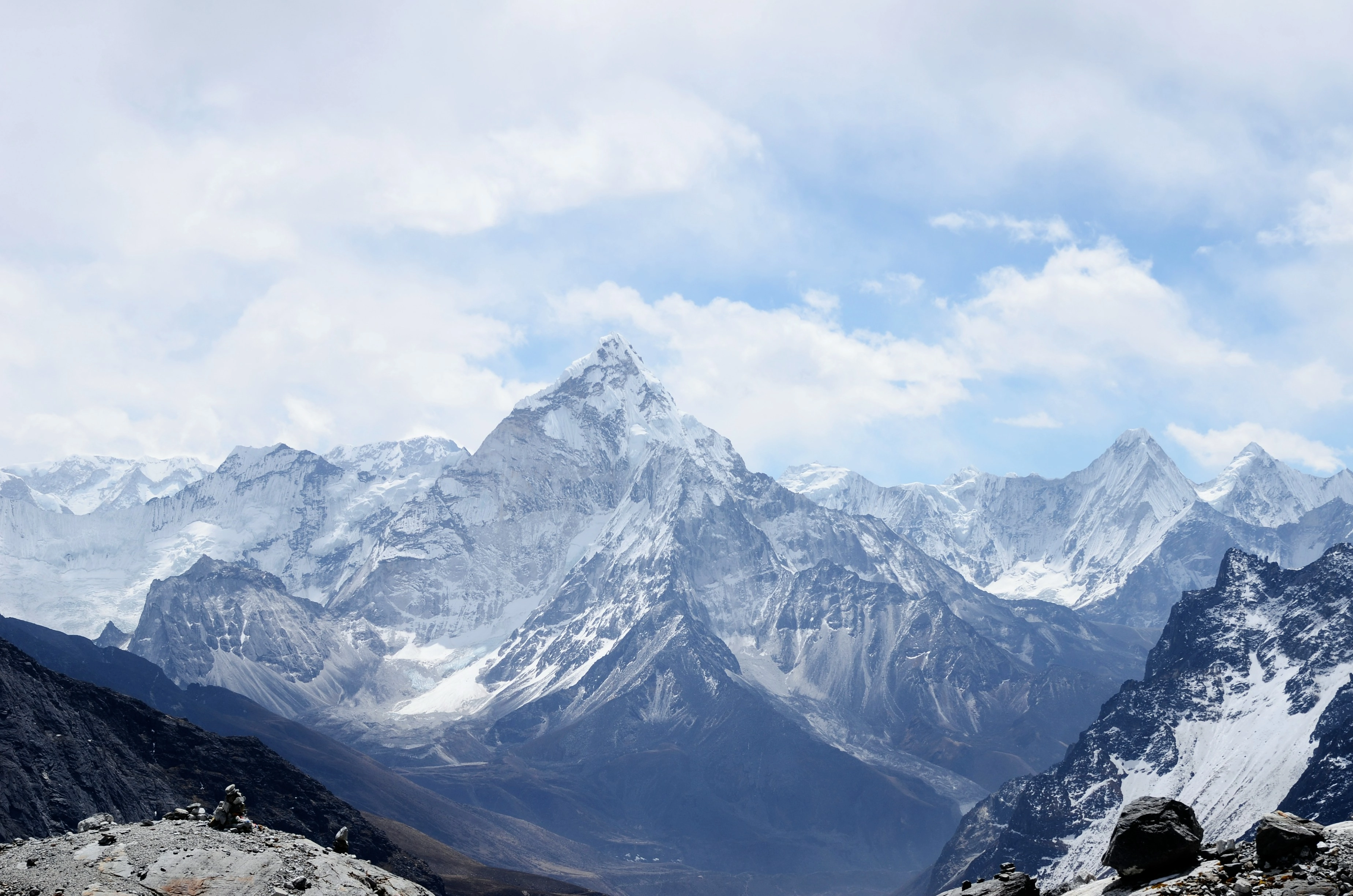
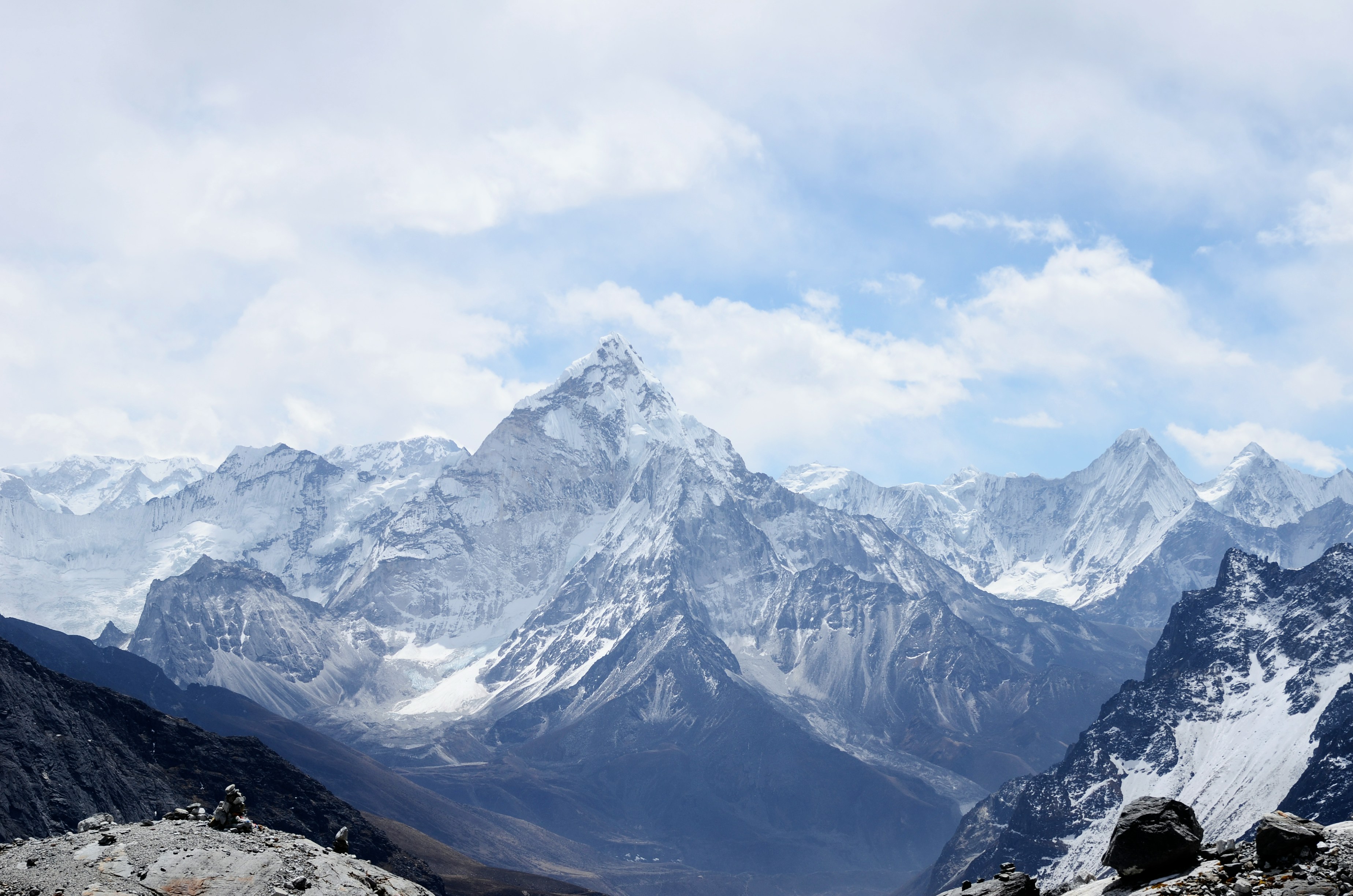
The peak was added to Nepal's official list of permitted climbing peaks in 2006, making it one of the newer entries in the region. Its relative obscurity is not a reflection of its quality — from the summit, the panorama stretches across Everest, Lhotse, Makalu, Nuptse, Cho Oyu, Ama Dablam, Pumori, Cholatse, and Tawache.
The route to the summit approaches from north of the Cho La Col, following the Gokyo valley through Namche Bazaar and reaching Base Camp at 4,950m via the glacial terrain near Thangnak. Rated AD+/D- on the alpine scale, the climb involves steep snow and ice, some fixed rope sections, and a summit ridge with two pyramid tops — the North Summit at 6,159m being the true summit. The terrain is technical but manageable for climbers with solid prior experience at altitude.
At Alpinist Climber Expeditions, our 17-day Nirekha itinerary is built around a structured acclimatization schedule that takes full advantage of the Gokyo valley approach — including an ascent of Gokyo Ri (5,360m) for acclimatization before moving to the technical climbing phase. Every expedition is guided by IFMGA-certified professionals with deep knowledge of this terrain.
Expedition Highlights
-
One of Nepal's newest and least-climbed 6,000m peaks — a genuinely uncrowded objective
-
Approach through the spectacular Gokyo valley, home to the world's highest freshwater lakes
-
Acclimatization ascent of Gokyo Ri (5,360m) with views of four 8,000m peaks
-
Semi-technical summit route — suitable for climbers with prior 6,000m experience
-
360-degree summit panorama: Everest, Lhotse, Makalu, Cho Oyu, Ama Dablam, and more
-
Two summit pyramids on the ridge — the North Summit is the true high point at 6,159m
-
Option for 1:1 private summit experience with IFMGA Guide Mr. Prakash Sherpa
Led by IFMGA-Certified Professionals
Nirekha may be semi-technical in grade, but the conditions on the upper mountain — steep ice, crevasse crossings, and a committing summit ridge require guides who have the technical skill and high-altitude experience to manage the climb safely and confidently. Every Nirekha expedition with Alpinist Climber Expeditions is led by fully certified IFMGA professionals.
Our guiding team holds IFMGA / UIAGM / IVBV certification — the highest internationally recognised standard in mountain guiding, supported by training in Wilderness First Aid, Helicopter Rescue and Marshalling, Advanced Mountaineering, Basic Rescue, and Rock Climbing. These are not qualifications for the CV. They are capabilities built over careers spent guiding on serious terrain.
Mr. Prakash Sherpa, our lead IFMGA Mountain Guide and CEO, has over 15 years of professional high-altitude experience, beginning his career at the age of 15. He has summited multiple 8,000-metre peaks including Everest, Lhotse, Makalu, Cho Oyu, Dhaulagiri, Manaslu, Nuptse, and Pumori — several without supplemental oxygen. He is a member of the Nepal National Mountain Guide Association (NNMGA).
For those seeking the most personal level of mountain guidance available, the premium 1:1 option places you on Nirekha alongside Mr. Prakash Sherpa directly — an experience that is rare on any 6,000-metre peak.
Detailed Itinerary
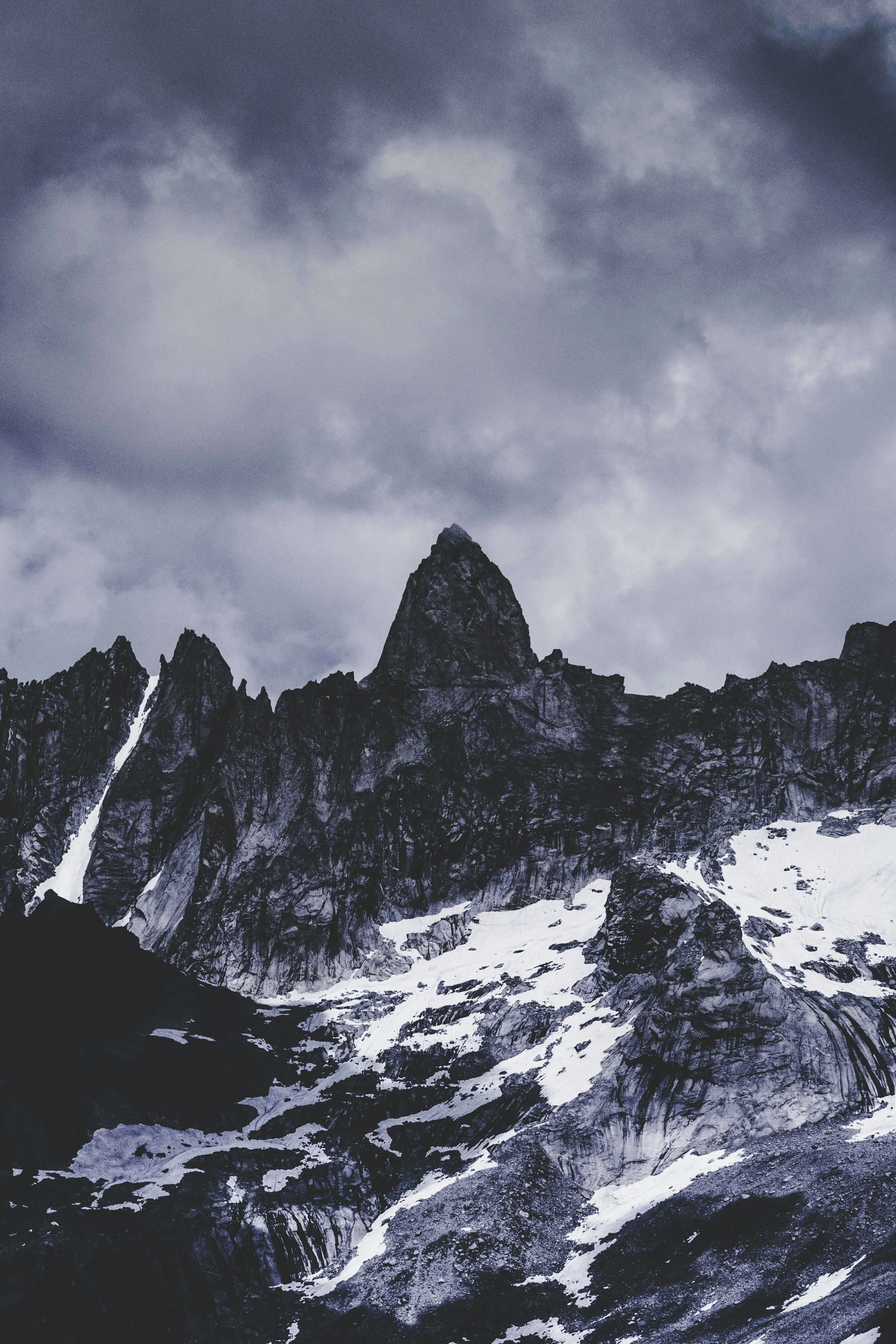

A representative from Alpinist Climber Expeditions will meet you at Tribhuvan International Airport and transfer you to your accommodation in Kathmandu. Once settled, you will be introduced to your expedition guide for an informal welcome briefing. The evening is yours to rest, explore, and experience the city before the mountain journey begins.
1,330m
Hotel

The morning begins with a full expedition briefing — route overview, safety protocols, equipment checks, permit documentation, and Ministry of Tourism formalities. The afternoon is spent visiting several of Kathmandu's UNESCO World Heritage Sites, including ancient temples, Buddhist stupas, and historic Newari courtyards. This is also the day you receive your Alpinist Climber Expeditions duffel bag and cap at the team meeting, and confirm your packing for the days ahead.
1,330m
Hotel

An early mountain flight from Kathmandu to Lukla (2,840m) takes approximately 35 minutes, with sweeping views of the Himalayan range as dawn light catches the peaks. After landing and a final equipment check, the trek begins through pine and rhododendron forest along the Dudh Koshi River valley. Phakding makes for a comfortable first night on the trail.
2,610m
Lodge

Today's trail follows the Dudh Koshi River through the Sagarmatha National Park entrance checkpoint at Monjo before climbing steeply to Namche Bazaar — the main hub of the Khumbu valley. The final ascent rewards you with your first open views of Everest, Lhotse, and Ama Dablam. Namche is a lively settlement with guesthouses, restaurants, and a well-stocked market for any last-minute supplies.
3,440m
Lodge

A full day in Namche to begin the acclimatization process. A hike to the Everest View Hotel ridge at approximately 3,800m allows the body to gain altitude during the day while returning to sleep lower — a key principle in safe altitude adaptation. The views of Everest, Lhotse, Nuptse, Ama Dablam, and Thamserku from this ridge are among the finest accessible on foot in the region.
3,440m
Lodge

Leaving Namche, the trail climbs northwest through Mong La and Phortse Thanga before ascending into the upper Gokyo valley. The route enters quieter, less-travelled terrain as the main Everest Base Camp trail falls away to the right. Dole sits at the edge of the rhododendron and juniper zone, with open views of the surrounding ridgelines.
4,200m
Lodge

A steady climb through open alpine terrain leads to Machhermo, a small settlement above the Dudh Koshi River. The trail offers expanding views of the valley ahead and the first glimpses of the high peaks bordering the Gokyo basin. Machhermo is a useful stopping point for further acclimatization before the push to Gokyo.
4,470m
Lodge

The trail today passes a series of sacred glacial lakes — the Gokyo Lakes — which are the world's highest freshwater lakes. The path runs alongside the western edge of the Ngozumpa Glacier, Nepal's longest glacier, before arriving at Gokyo village on the shore of the third lake, Dudh Pokhari. The setting is extraordinary — still water, moraine, and a ring of high peaks on every horizon.
4,790m
Lodge

An early start for the ascent of Gokyo Ri (5,360m) — a straightforward but rewarding climb that provides one of the most famous viewpoints in the Everest region. From the top, four of the world's ten highest mountains are visible simultaneously: Everest, Lhotse, Makalu, and Cho Oyu. This ascent also serves as a vital acclimatization step before moving to Base Camp.
After descending from Gokyo Ri and breakfast at the lodge, the team crosses the Ngozumpa Glacier to Thangnak — a small settlement at the foot of the Cho La Col, which will be crossed the following morning.
5,360m
Lodge

From Thangnak, the trail climbs toward the Cho La Col (5,368m) — a glaciated high pass marked by prayer flags and stone cairns. Just before the col, a small trail branches north away from the main pass and descends toward the glacial moraine beneath Nirekha Peak. Base Camp at 4,950m is established here, tucked into a sheltered position with the mountain rising directly above.
The views from Base Camp are immediate and impressive — Nirekha's summit ridge is clearly visible, as are the surrounding massifs of Cholatse, Ama Dablam, and the distant silhouette of Everest to the east.
4,950m
Camp

A full rest and preparation day at Base Camp. Your IFMGA guide leads a structured training session covering the technical skills required for the climb ahead: crampon technique, ice axe use, rope management, jumar operation, and safe movement on fixed lines. Crevasse awareness and self-arrest procedure are also covered. This session is not a formality — it is hands-on preparation that directly contributes to a safe and successful summit.
4,950m
Camp

Leaving Base Camp, the route begins across snow-covered glacier terrain before steepening onto the lower flanks of the Southwest-facing slope. High Camp at approximately 5,300m is reached after several hours of climbing. Tents are pitched, a warm meal is prepared, and the team rests carefully in preparation for the pre-dawn summit push the following morning.
5,300m
Camp

Summit day begins before midnight. Moving by headlamp, the team climbs from High Camp onto the summit ridge. The lower section involves a gradual snow ascent before the angle increases significantly on the approach to the ridge. The route navigates crevasse sections, steep ice, and the exposed ridgeline between the two summit pyramids before reaching the North Summit — the true high point of Nirekha at 6,159m.
From the top, the view is one of the finest on any 6,000-metre peak in Nepal — Everest, Lhotse, Makalu, Nuptse, Cho Oyu, Gyachung Kang, Pumori, Ama Dablam, Tawache, and Cholatse filling the horizon in every direction. After time at the summit, the team descends carefully — using fixed ropes on the steeper sections — back to Base Camp for the night.
6,159m
Camp

A built-in reserve day for weather flexibility. High-altitude conditions in the Khumbu can change quickly, and this buffer ensures that the team has the option to attempt the summit on this day if conditions prevent a safe ascent on Day 13. If the summit has already been reached, this day becomes a comfortable rest and recovery day at Base Camp before the descent begins.
4,950m
Camp

With the climbing phase complete, the team returns via the Cho La Col trail to the Gokyo valley. The familiar path back to Gokyo feels different on the return — lighter, with the mountain already behind you and the valley opening up ahead. The Gokyo Lakes catch the afternoon light as the team arrives for a final night in this exceptional setting.
4,790m
Lodge

The descent follows the Gokyo valley southward through Machhermo and Dole, dropping steadily through the rhododendron forest and back down to Namche Bazaar. The return trail is pleasant and well-paced — a comfortable day's walk after the effort of the upper mountain.
3,440m
Lodge

An early start for the final trek to Lukla, following the Dudh Koshi River valley through Phakding and past familiar Sherpa villages. The flight back to Kathmandu marks the official end of the expedition. Depending on your departure time, the afternoon is free for a final walk through the city, a last meal, and the journey home. A private transfer to the airport is arranged.
1,330m
Hotel
Why ACE?
Alpinist Climber Expeditions was built around a principle that has guided every climb we have organized — that the quality of the experience on a mountain is directly tied to the quality and depth of experience of the people leading it. What sets Alpinist Climber Expeditions apart is something that cannot be manufactured or replicated — it comes from decades spent on these mountains, from the culture that formed us, and from a deeply held belief that every climb deserves to be done properly.
We are a team of professional Sherpas. Not guides who have visited the Himalaya — guides who grew up here, who know these peaks in every season, and who have spent careers developing the technical skills and mountain judgment required to lead expeditions safely and successfully.
Our team holds IFMGA / UIAGM certification — the highest international standard in professional mountain guiding — alongside Advanced Mountaineering, Wilderness First Aid, Helicopter Rescue, and High-Altitude Rescue qualifications. Our lead guide has summited multiple 8,000-metre peaks, including ascents without supplemental oxygen. This is not a credential on paper. It is a lived capability that directly protects every climber who climbs with us.
We offer two expedition structures: a standard option with small-group expedition, and a premium option with 1:1 guide-to-client ratio. Both are built on the same standard of safety, preparation, and professionalism.The standard option maintains a minimum 1:3 guide-to-client ratio with a dedicated IFMGA lead guide and Sherpa support on every climb. Our premium 1:1 private option places you on the mountain directly alongside IFMGA Guide Mr. Prakash Sherpa.
We do not run high-volume operations as our clients are not bookings. They are climbers who have chosen to trust us with something significant and we take that trust seriously on every single expedition. We do not cut corners on acclimatization, staffing ratios, or safety equipment. We organize expeditions the way they should be organized — with patience, precision, and the kind of local knowledge that only comes from growing up in these mountains and spending a career on them.
The Team
Expedition Guides
Every guide on our team has been selected for their technical ability, high-altitude experience, and personal commitment to the safety and success of every climber they lead. All guides carry extensive experience at altitude and hold a proven record of safety, summit success, and strong compatibility with international clients.
The number of guides assigned to each expedition is determined by the size of the climbing team. Our standard guide-to-member ratio is 1:3, ensuring that every climber receives consistent, attentive support throughout the approach, the acclimatization phase, and the technical climb itself.
Climbing Sherpa Support
A dedicated team of experienced Climbing Sherpas supports every expedition with load carrying on the mountain, route preparation, and high camp management. On summit day, we maintain a 1:1 Sherpa-to-climber ratio — a commitment that reflects our belief that the summit push is where support matters most.
Our Climbing Sherpas are not simply load carriers. They are experienced high-altitude professionals who understand the mountain, the route, and the demands of summit day. Their presence alongside every climber on the final push is a core part of how we manage safety and success on the upper mountain.
What to Expect from Our Team
- Technically qualified, IFMGA-certified lead guidance on every expedition
- A standard guide-to-member ratio of 1:3 — adjusted based on team size and peak requirements
- 1:1 Climbing Sherpa support on summit day for every team member
- Guides who are experienced, companionable, and genuinely invested in your success
- Full medical kit, satellite communication, and emergency response capability carried by the team at all times
- A premium 1:1 private option available — summit alongside Mr. Prakash Sherpa directly
Trip Notes
-
The best seasons to climb Nirekha Peak are spring (March to May) and autumn (September to November). Both seasons offer stable weather and clear skies. Winter climbing is possible but carries significantly higher risk and is not recommended.
-
The expedition runs for 17 days, including the trek in and out via the Gokyo valley.
-
You will stay in comfortable guesthouses during the trekking approach and descent. During the climbing phase, accommodation moves to tented camps at Base Camp and High Camp.
-
Group size is a minimum of 2 members with 1 IFMGA Mountain Guide, and a maximum of 5 members with 2 IFMGA Mountain Guides.
-
A free duffel bag and baseball cap are provided to every member at the expedition team meeting in Kathmandu. The duffel bag will be used to carry your expedition supplies to Base Camp.
-
You must bring your own daypack or backpack with a waterproof cover for daily use during the trek. Use it to carry personal essentials such as cash, important documents, your camera, a notebook, snacks, and a change of clothing.
-
You can leave any luggage that is not needed on the expedition safely at your hotel in Kathmandu. There is no need to carry non-expedition items to Base Camp.
-
Guesthouses along the trekking route may charge a small fee for charging electronic devices such as phones, cameras, and battery packs. Carry a power bank as a backup.
-
A day-by-day contingency has been built into the summit window on Day 14 to allow flexibility for poor weather or any team adjustment needs.
-
Personal travel insurance with high-altitude rescue and medical evacuation coverage is mandatory and must be arranged before departure.
Equipments
The list below covers the essential personal gear for a Nirekha Peak expedition. Personal clothing and technical climbing equipment are not included in the package price. All items should be sourced, well-fitted, and tested before departure. Do not bring gear you have not used before.
Headwear
-
Sun hat or lightweight cap
-
Warm fleece or wool hat
-
UV-protective sunglasses (category 4 recommended)
-
Buff or thin balaclava / face mask
Handwear
-
Lightweight fleece or wool inner gloves
-
Gore-Tex outer mitten gloves
Clothing
-
Gore-Tex waterproof jacket
-
Gore-Tex waterproof trousers
-
Hiking trousers
-
Fleece jacket or warm mid-layer — slim enough to layer under your Gore-Tex shell
-
Moisture-wicking base layer top
-
Thermal base layer trousers
-
Down jacket with hood
Footwear
-
Well broken-in trekking boots
-
Double-insulated alpine climbing boots
-
Crampons (compatible with alpine boots)
-
Snow gaiters
-
Trekking socks (4–5 pairs)
-
Camp sandals or light slippers
Technical Climbing Equipment
-
Ice axe
-
Sit harness
-
Locking carabiners and belay device
-
Ascender (jumar)
-
Climbing helmet
Camping & Trekking Essentials
-
Sleeping bag rated to at least -20°C
-
45-litre rucksack with rain cover
-
Large duffel bag with padlock (for porter loads)
-
Headlamp with spare batteries
-
1-litre water bottles (x2)
-
Thermos flask
-
Trekking poles
-
Personal first aid kit
Hygiene & Sun Protection
-
Waterproof wash bag
-
Medium towel
-
Toiletries — soap, toothbrush, toothpaste
-
Sunscreen SPF 50+ including lip balm with sun protection
-
Hand sanitizer and handwash
-
Toilet paper and wet wipes
Whats Included
-
 Nirekha Peak climbing permit (royalty fee)
-
Sagarmatha National Park entry permit
-
TIMS (Trekkers' Information Management System) card
-
Garbage disposal and environmental management fees
-
All government taxes, VAT, and official tourism service charges
-
IFMGA-certified lead mountain guide — full wages and comprehensive insurance
-
Experienced Sherpa high-altitude support — carry bonus, transport, wages, and equipment
-
Base Camp kitchen crew — wages, insurance, and equipment allowance
-
Porters and yaks to carry expedition gear, food, and supplies
-
All staff accommodation, wages, insurance, and equipment provisions
-
4-star hotel accommodation in Kathmandu with daily breakfast (3 nights)
-
Full-board lodge accommodation during the trekking approach and descent
-
Unlimited meals, drinks, and fruits at Base Camp during the expedition
-
High-altitude camp food, EPI gas, and cooking stoves for all members and guides
-
Round-trip Kathmandu to Lukla mountain flight
-
Private vehicle airport pick-up and drop-off in Kathmandu
-
Single private tent at Base Camp per member
-
Comfortable dining tent and toilet tent at Base Camp
-
High camp tents for members and guides
-
Group climbing equipment — rope, ice screws, snow bars, walkie-talkies
-
Medical kit carried throughout the expedition
-
Satellite phone for emergency communication
-
Alpinist Climber Expeditions branded duffel bag per member
Whats Not Included
-
 International airfare (to and from Kathmandu)
-
Nepal entry visa fees
-
Meals in Kathmandu (lunch and dinner)
-
Alcoholic and soft beverages
-
Internet and WiFi access
-
Personal clothing and climbing equipment
-
Personal first aid kit
-
Drone permit fees (if applicable)
-
Personal travel, medical, and emergency rescue insurance
-
Gratuities for guides, climbing Sherpa, Base Camp staff, and porters
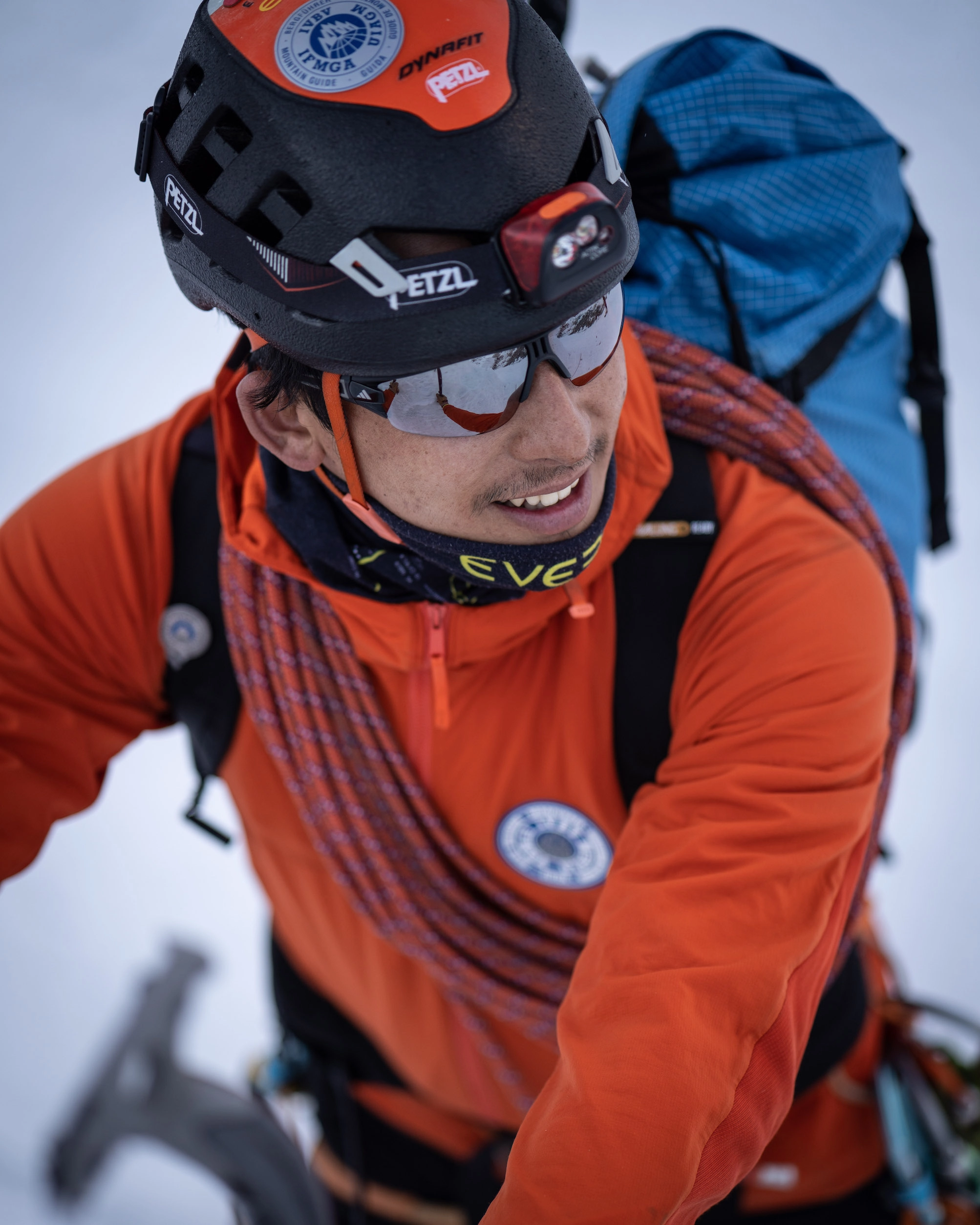
Get the 1:1 Guide Experience.
Our IFMGA certified guide - Prakash Sherpa oversees all our expeditions and operations, but you can also guarantee that he'll be your personal, 1:1 guide on the mountain.
FAQs
Personalize Your Trip
Enquiry Now →
Flexible options are available to adjust the itinerary, services, and guiding support based on your needs.