15 September, 2025
02 April, 2026
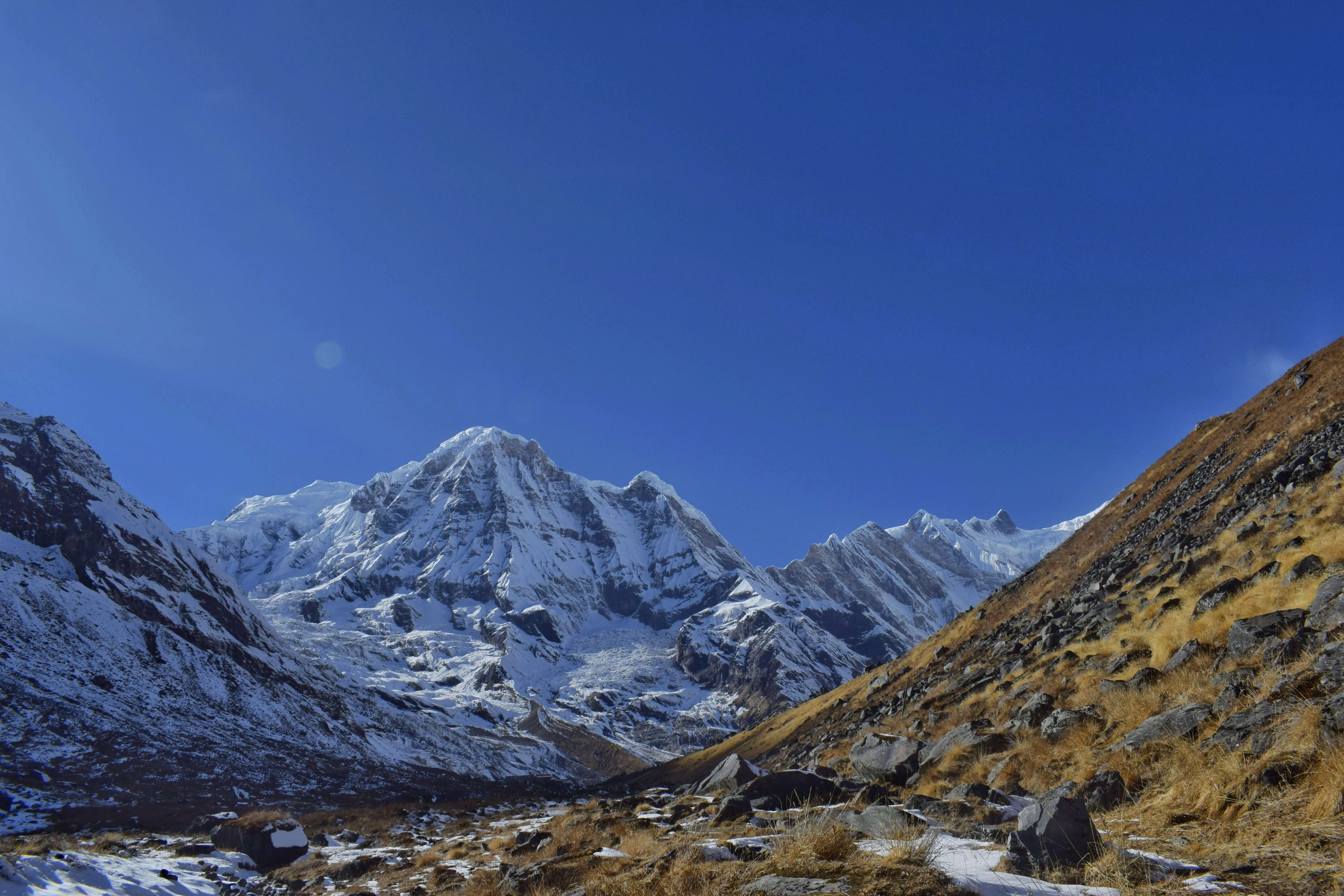
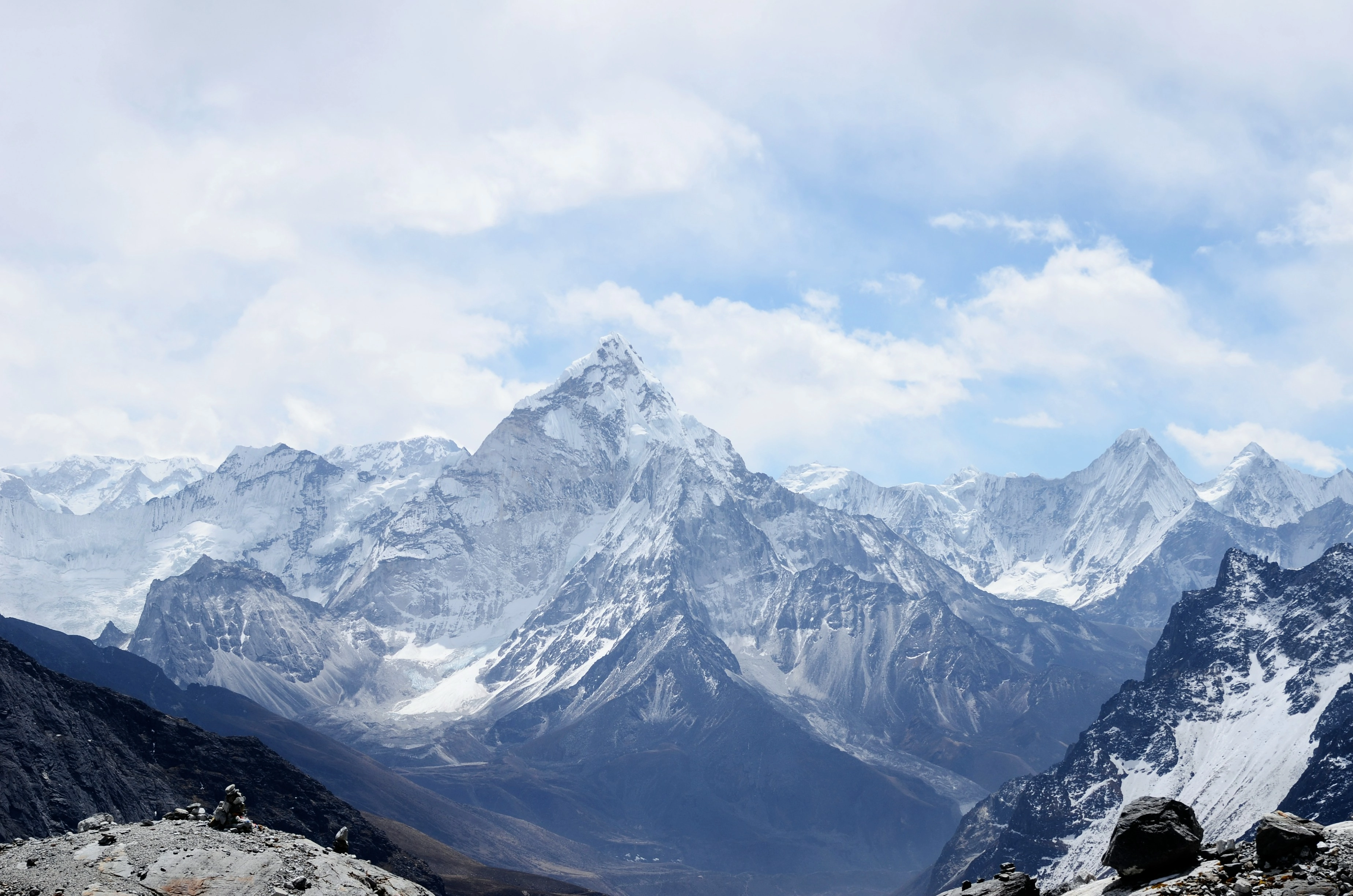
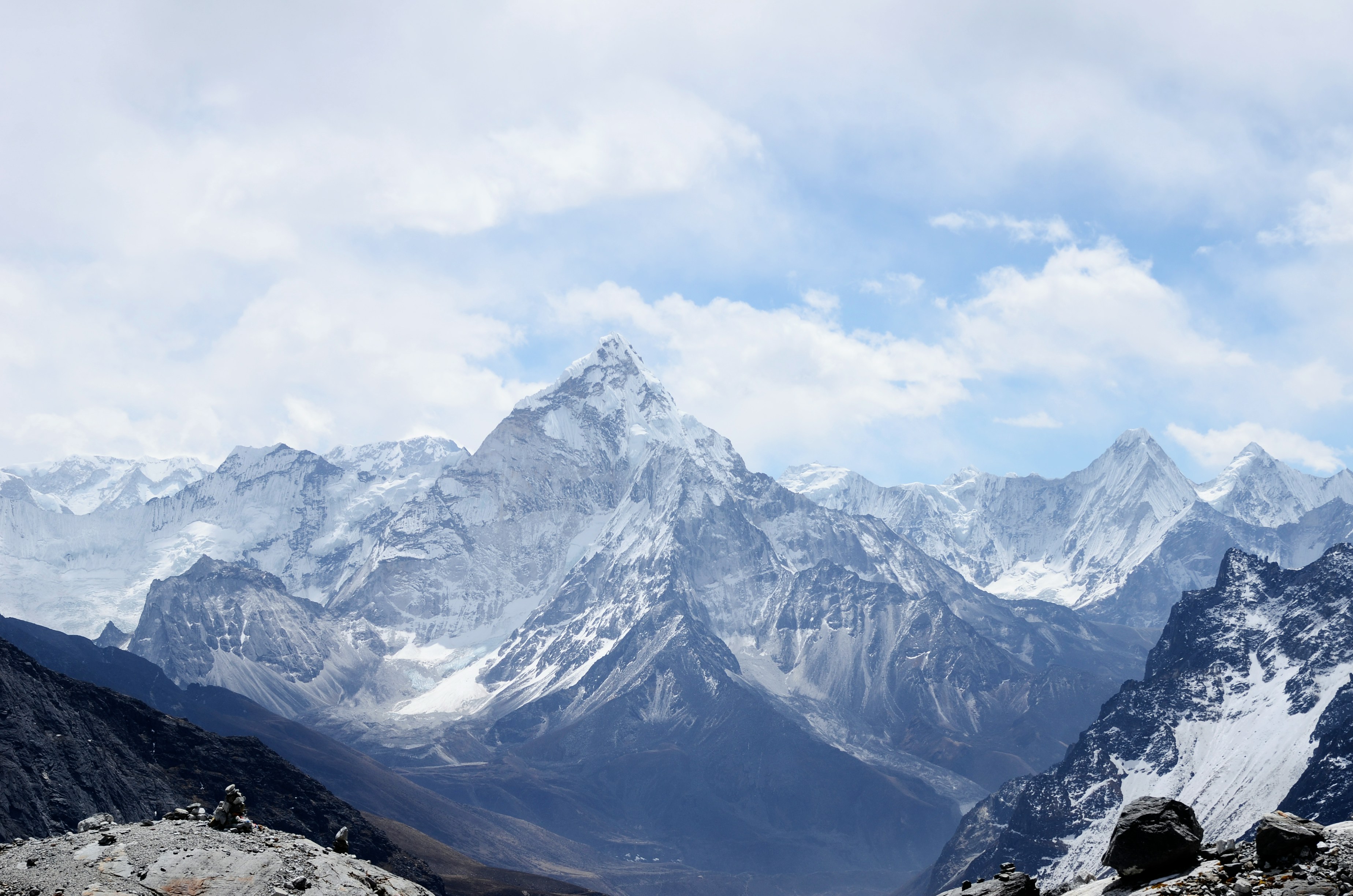
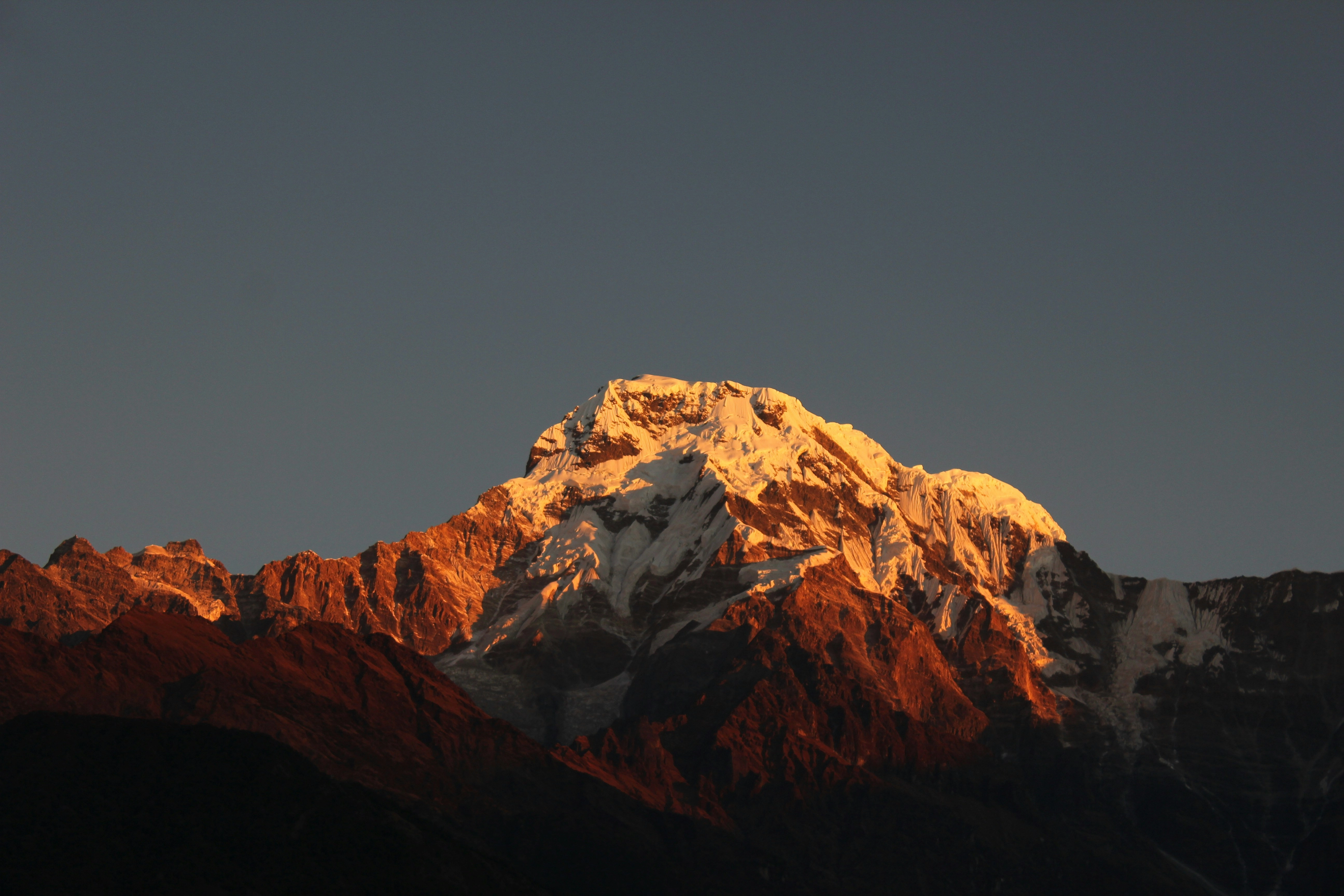
The Everest Base Camp Trek is without a doubt one of the most iconic, life-changing, and bucket-list worthy adventures on the entire planet. Every year thousands of trekkers from all corners of the world make their way to the Khumbu Valley in Nepal with one single dream — to stand at the foot of the world's highest mountain and look up at the mighty summit of Mount Everest (8,849m). It is a journey that tests your physical endurance, challenges your mental strength, and rewards you with some of the most breathtaking and awe-inspiring scenery you will ever witness in your entire life.
But the Everest Base Camp Trek is much more than just a walk to the base of a mountain. It is a deep cultural immersion into the heart of the Sherpa community, a journey through ancient Buddhist monasteries and prayer flag-lined trails, a wildlife adventure through the stunning Sagarmatha National Park, and a personal challenge that will change the way you see yourself and the world around you forever. Whether you are an experienced trekker or a complete beginner, the Everest Base Camp Trek is an adventure that is truly within reach for anyone who is willing to prepare properly and take that first step.
Where is Everest Base Camp?
Everest Base Camp is located in the Khumbu region of northeastern Nepal, sitting at an elevation of 5,364 meters (17,598 feet) above sea level. It serves as the starting point for all expeditions attempting to climb Mount Everest from the southern side, and during the spring climbing season it transforms into a bustling temporary city of tents, expedition teams, and Sherpa support crews from around the world. The base camp is located at the edge of the famous Khumbu Glacier, one of the highest and most spectacular glaciers on Earth, and the views from the camp of the surrounding peaks including Nuptse, Lhotse, Pumori, and Everest itself are simply beyond description.
How Long Does the Trek Take?
The standard Everest Base Camp Trek takes approximately 12 to 14 days to complete, starting and ending in the famous trekking hub of Lukla, which is accessed by a short but thrilling mountain flight from Kathmandu. The total distance covered is approximately 130 kilometers of trail, passing through some of the most dramatic and varied landscapes in the entire Himalayan range. The trek typically follows this general route:
Each day on the trail brings entirely new scenery, new challenges, and new rewards that make the journey feel fresh and exciting from start to finish.
Best Time to Do the Everest Base Camp Trek
The best seasons to do the Everest Base Camp Trek are Spring (March to May) and Autumn (September to November). These two seasons offer the most stable weather conditions, the clearest mountain views, and the most comfortable trekking temperatures on the trail.
During Spring, the rhododendron forests explode into a breathtaking display of red and pink flowers, the skies are generally clear and blue, and the temperatures are warm enough during the day to make trekking very comfortable. This is also the main Everest climbing season, so trekkers may get the exciting opportunity to see expedition teams preparing for their summit attempts at Base Camp.
During Autumn, the air is crisp and crystal clear after the monsoon rains have washed away the dust and haze, giving trekkers some of the most spectacular and unobstructed mountain views of the entire year. The temperatures are slightly cooler than spring but still very manageable with the right clothing and gear.
Winter (December to February) is possible but very cold with temperatures dropping well below freezing at higher elevations. Monsoon season (June to August) is generally not recommended due to heavy rainfall, leeches on the trail, and poor visibility.
How Difficult is the Trek?
The Everest Base Camp Trek is generally considered a moderate to challenging trek that does not require any technical climbing skills or previous mountaineering experience. However it does require a good level of physical fitness, mental determination, and proper preparation to complete successfully and safely.
The main challenges of the trek are the altitude and acclimatization. As you gain elevation your body needs time to adjust to the decreasing levels of oxygen in the air, and pushing too hard or ascending too quickly can lead to Acute Mountain Sickness (AMS), which can be serious and even life-threatening if not managed properly. This is why proper acclimatization days are built into every good EBC itinerary, and why it is so important to listen to your body and your guide at all times on the trail.
The daily walking distances are generally between 5 to 15 kilometers per day, with ascents and descents on rocky and sometimes steep Himalayan trails. A good level of cardiovascular fitness combined with regular hiking or walking training in the months before your trek will make a huge difference to your overall experience and enjoyment on the trail.
What to Pack for the Everest Base Camp Trek
Packing the right gear is absolutely essential for a safe and comfortable Everest Base Camp Trek. Here is a basic list of what you will need:
Clothing:
Equipment:
Health & Safety:
Food and Accommodation on the Trail
One of the great joys of the Everest Base Camp Trek is the warm and welcoming teahouse culture of the Khumbu Valley. Along the entire route you will find comfortable and well-run teahouses offering private or dormitory rooms, hot meals, warm drinks, and a cozy atmosphere that feels like a home away from home after a long day on the trail.
The food at teahouses along the EBC route is surprisingly varied and delicious, with menus typically offering a mix of Nepali, Tibetan, and Continental dishes including Dal Bhat, momos, pasta, pizza, soups, porridge, pancakes, and much more. The famous Dal Bhat — a traditional Nepali meal of rice, lentil soup, vegetables, and pickles — is the ultimate trekking fuel and is eaten by guides and porters twice a day for its incredible energy-giving properties.
Tips for a Successful Everest Base Camp Trek
Why Choose ACE for Your Everest Base Camp Trek?
At Alpinist Climber Expeditions we have been guiding trekkers and climbers through the Himalayas since 2011, and we know every trail, every teahouse, and every challenge of the Everest Base Camp Trek like the back of our hands. Our IFMGA-certified guides bring decades of high-altitude experience, deep local knowledge, and a genuine passion for the mountains to every single trek we lead.
We keep our group sizes small to ensure every trekker receives the personal attention, care, and support they deserve. We handle all permits, logistics, accommodation, and transportation so you can focus entirely on the incredible experience in front of you. And we are available 24 hours a day, 7 days a week to answer your questions, address your concerns, and support you every step of the way from your first enquiry to your safe return home.
The Everest Base Camp Trek is not just a trek — it is a life-changing journey that will stay with you forever. And with ACE by your side, you can be absolutely certain that every single step of that journey will be safe, supported, and truly unforgettable. ????️
Ready to start your Everest Base Camp adventure? Contact us today and let us help you plan the trek of a lifetime!
What Our Clients Say About Us
Professional, friendly, and incredibly knowledgeable guides. The best trekking experience I have ever had in my life


Explore Our Travel Tips and Guides.