

K2 EXPEDITION
Trip Description
K2 was designated by British surveyor T.G. Montgomerie in 1856 — simply the second peak surveyed in the Karakoram range. The mountain itself straddles the border between the Gilgit-Baltistan region of northern Pakistan and the Xinjiang autonomous region of China, with all primary climbing routes accessed from the Pakistani side. It was first summited on July 31, 1954 by Italian climbers Achille Compagnoni and Lino Lacedelli via the Abruzzi Spur, the same general line our expedition follows today.
What makes K2 uniquely demanding among the 8,000-metre peaks is the combination of factors that reinforce each other at every stage of the climb. The technical difficulty is continuous as there are no easy sections on the Abruzzi Spur that allow a team to move with reduced focus. The objective hazards are constant: serac collapse from above, frequent rockfall, crevasses on the approach, and the omnipresent threat of the serac above the Bottleneck that can release without warning. The weather systems in the Karakoram are faster-moving and more violent than those in the Nepal Himalaya, and the mountain's location far north of the main Himalayan chain means temperatures at altitude are significantly colder than on Everest at equivalent heights.
The Bottleneck — a narrow, steeply angled traverse at approximately 8,300m, directly beneath the serac is the psychological and physical crux of every K2 attempt. It must be passed quickly, in the dark during summit day, with the knowledge that the serac above is one of the most unstable features on any 8,000-metre mountain. The 2008 disaster in which eleven climbers perished in a single event partly caused by serac collapse in this area defines the risk in terms no climber approaches lightly.
K2 requires everything a mountaineer has. It rewards only those who arrive fully prepared, fully supported, and fully committed and even then, it does not always yield.


Trip Overview
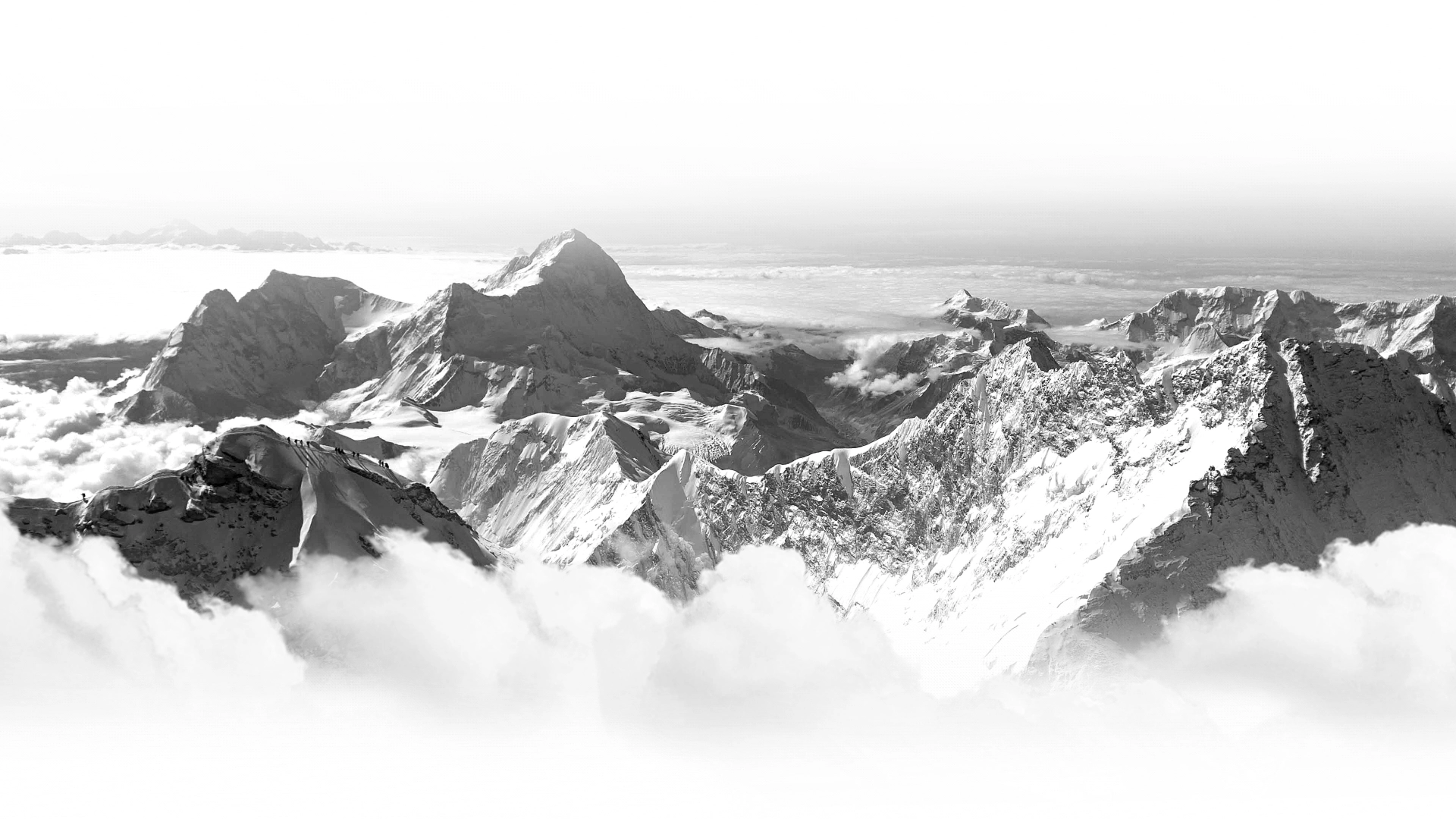
K2 stands at 8,611 metres on the Pakistan-China border in the heart of the Karakoram, the second highest mountain on Earth and by almost universal agreement among mountaineers, the most dangerous and technically demanding of all the 8,000-metre peaks. Its summit success rate is far lower than Everest's, its weather is more extreme, its terrain is more technical at every altitude, and its remoteness means that rescue, if needed is measured in days rather than hours. The mountain has earned its reputation honestly.
Alpinist Climber Expeditions organizes K2 expeditions for a small number of highly qualified candidates each season. Our lead guide Mr. Prakash Sherpa — IFMGA / UIAGM / IVBV certified, with over 15 years of high-altitude experience and multiple 8,000-metre summits personally led Kahshin Leow and Lenka Polarckova on K2 in 2025 in an expedition organized by Alpinist Climber Expeditions. That experience, the route knowledge and team management capability it represents is what we bring to every K2 attempt we organize.
The standard route, the Abruzzi Spur on the Southeast Ridge was the line of the first ascent in 1954 and remains the most frequently attempted. It rises through four high camps from Advanced Base Camp to Camp 4 at 7,900m before the infamous Bottleneck: a narrow, exposed traverse of steep ice directly beneath a massive, unstable serac that has been the site of multiple tragedies including the loss of eleven climbers in a single event in 2008. Above the Bottleneck, the final push to the summit requires sustained technical climbing on mixed terrain at extreme altitude with the full weight of the death zone bearing down.
This is a 45-day expedition. The duration reflects not excess but necessity as K2 demands a thorough acclimatization programme, multiple high-camp rotations, and the patience to wait for the narrow weather window that permits a safe summit attempt. Unlimited supplemental oxygen is included for all members and guides. A 1:1 guide-to-member ratio is provided throughout as it is the only appropriate ratio for a mountain of this seriousness.
Expedition Highlights
-
Attempt K2 (8,611m) — the world's most challenging 8,000m peak, via the Abruzzi Spur
-
Led by Mr. Prakash Sherpa — IFMGA-certified, who personally guided a successful K2 expedition in 2025
-
1:1 private IFMGA guide ratio throughout the full 45-day expedition
-
Unlimited supplemental oxygen for all members and guides
-
The full Karakoram approach from Islamabad — Skardu, Askole, Concordia, and the Godwin-Austen Glacier
-
Spectacular approach through one of the world's great mountain corridors — Trango Towers, Broad Peak, and the K2 massif
-
Four high camps on the Abruzzi Spur — a structured and managed acclimatization programme above Base Camp
-
International flights for the guide and Climbing Sherpa team included
Led by IFMGA-Certified Professionals
The credential requirement for guiding on K2 is absolute. No mountain of this difficulty — continuous technical terrain, objective hazards that cannot be fully controlled, extreme weather, and altitude at which human physiology operates near its limit can be approached safely with anything less than the highest guiding standard available internationally.
Mr. Prakash Sherpa, CEO and Lead IFMGA Mountain Guide of Alpinist Climber Expeditions, is one of the very few guides in Nepal with both the IFMGA certification and a proven K2 expedition record. In 2025, he personally guided Kahshin Leow and Lenka Polarckova on K2 in an expedition organized by Alpinist Climber Expeditions and bringing them through the Karakoram approach, the acclimatization rotations, the high-camp structure, and the Abruzzi Spur itself. That direct, recent, personal route knowledge on K2 is not something that can be replicated from a guidebook or from Himalayan experience alone.
His IFMGA / UIAGM / IVBV certification is the highest internationally recognized standard in professional mountain guiding. Additional qualifications include Advanced Mountaineering, Wilderness First Aid, Helicopter Rescue and Marshalling, and High-Altitude Rescue. His summit record encompasses Everest, Lhotse, Makalu, Cho Oyu, Dhaulagiri, Manaslu, Nuptse, K2, and many more — several without supplemental oxygen. He is a member of the Nepal National Mountain Guide Association (NNMGA).
On every K2 expedition we organize, the guiding ratio is 1:1 — one experienced guide for every member. There is no other appropriate ratio for this mountain.
Detailed Itinerary

A representative from Alpinist Climber Expeditions meets you at Islamabad International Airport and transfers you to your hotel. The evening opens with a welcome dinner — the team assembles for the first time, and Mr. Prakash Sherpa introduces the full 45-day programme: the Baltoro approach, the camp structure on the Abruzzi Spur, the acclimatization plan, and the summit strategy. The most serious climbing expedition in the world begins here.
507m
Hotel

A comprehensive briefing covers the full route, Pakistan Ministry of Tourism permit formalities, government liaison officer coordination, safety protocols, oxygen system management, weather monitoring strategy, and the specific technical demands of the Abruzzi Spur from Camp 1 to the Bottleneck. Equipment is checked and confirmed. The afternoon is free for any final preparation before the journey north begins.
507m
Hotel

The team travels north from Islamabad to Skardu — by flight (approximately one hour) if weather permits, or by road through the Karakoram Highway if the flight is cancelled. Skardu is the gateway city for Karakoram expeditions — a dramatic desert mountain town at 2,228m surrounded by peaks and the Indus River valley. The altitude change from Islamabad is the first step of the acclimatization process.
2,228m
Hotel

A preparation day in Skardu for final equipment checks, porter coordination, food purchases, and any remaining logistical arrangements before the road to Askole. The Balti porter team — experienced professionals who carry loads through the Baltoro approach — is organized here. The team rests and acclimatizes gently at 2,228m before the approach trek begins.
2,228m
Hotel

A jeep convoy takes the team from Skardu to Askole — the last village at the edge of the Baltoro Glacier and the starting point for the most famous mountain approach in the world. The road follows the Braldu River through increasingly dramatic gorge terrain, gaining altitude as the valley narrows. Askole marks the final night under a proper roof before the Baltoro trek begins.
3,015m
Lodge

The Baltoro approach begins. The trail leaves Askole and follows the Braldu River before gaining the moraine of the Baltoro Glacier. The terrain is immediately dramatic — the Karakoram's scale reveals itself within hours as the valley walls rise thousands of metres above the trail. Jhula is a flat camping ground on the moraine with the first views of the peaks ahead beginning to appear above the valley walls.
3,120m
Camp

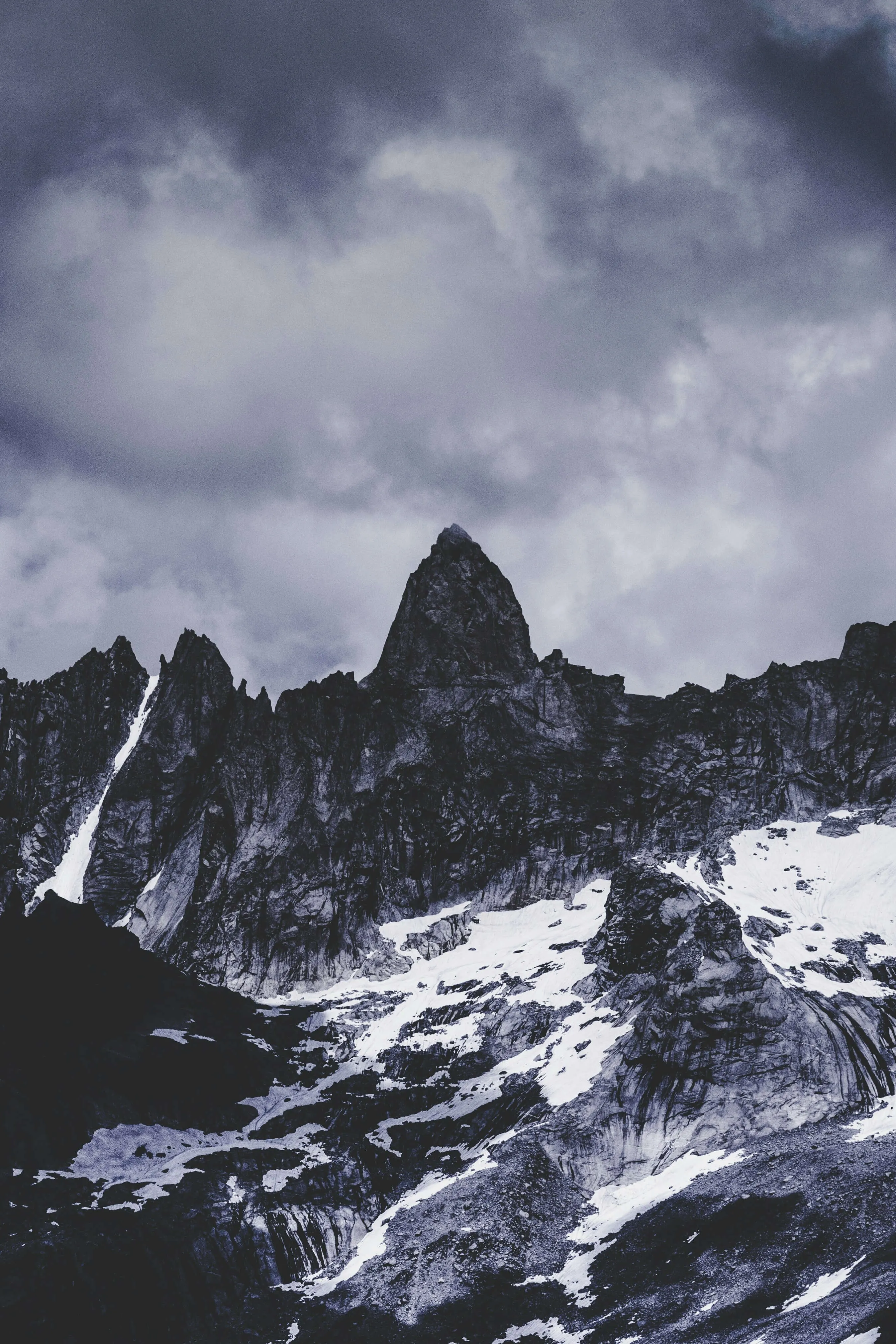
The trail continues along the Baltoro Glacier moraine toward Paju. The Trango Towers — a cluster of vertical granite towers rising over 6,000 metres — come into view and dominate the western skyline. These are among the greatest rock faces on earth and a jaw-dropping preview of the scale of rock architecture in the Karakoram. The campsite at Paju faces west toward the towers as the afternoon light turns them red.
3,410m
Camp

A rest and acclimatization day at Paju. The Trango Towers, Uli Biaho, and Cathedral Peaks surround the campsite in a panorama that requires no mountaineering expertise to appreciate. The team rests, eats well, and hydrates thoroughly in preparation for the sustained glacier trekking ahead. The guide reviews the route and confirms the schedule through Concordia.
3,410m
Camp

The trail moves deeper onto the Baltoro Glacier through increasingly raw terrain. The moraine is rough underfoot and the walking demanding, but the mountain environment is unlike anything available at lower elevations. Broad Peak and the Gasherbrum group begin to appear to the east. Urdukus — a flat campsite on the glacier moraine — provides a sheltered overnight at 4,100m.
4,100m
Camp

The upper Baltoro opens up significantly above Urdukus. On a clear morning, the view ahead toward Concordia begins to resolve into recognizable summits — Broad Peak and K2 itself appearing at the head of the glacier for the first time. The walking is steady and demanding on moraine, with the glacier surface visible on both sides.
4,300m
Camp

Concordia — the confluence of the Baltoro and Godwin-Austen glaciers at 4,600m — is one of the most magnificent viewpoints accessible on any mountain approach in the world. From this point, K2 rises directly to the north in full scale, Broad Peak stands to the east, and the Gasherbrum massif extends southward. The summit of K2 — the objective of the 45-day expedition — is directly visible for the first time from the glacier at its base. The team camps at Concordia.
4,600m
Camp

A rest and acclimatization day at Concordia. The altitude at 4,600m is meaningful, and this rest day allows the body to consolidate before the final push to Base Camp. A day spent studying the full Abruzzi Spur from Concordia — with the guide pointing out Camp 1, the House's Chimney, the Black Pyramid, the Shoulder, Camp 4, and the Bottleneck from this angle — is one of the most focused preparation exercises available on the approach.
4,600m
Camp

The final approach from Concordia to K2 Base Camp follows the Godwin-Austen Glacier northward. K2's summit disappears from view as the approach narrows — the mountain is now too close and too steep to be seen in full from below. Base Camp at approximately 5,000m on the glacier moraine is a well-established site. Dome tents are pitched, hot showers available, and the expedition team assembles at the foot of the world's most demanding mountain.
5,000m
Camp

A full rest day for altitude adaptation. The Puja ceremony is conducted in the morning — a traditional Sherpa blessing led by a lama, attended by every member of the team with all climbing equipment blessed before use. At K2 Base Camp with the Abruzzi Spur rising directly above, the ceremony carries a gravity and significance felt by every team that performs it here.
5,000m
Camp

An IFMGA guide leads a comprehensive technical training session covering the specific demands of the Abruzzi Spur: oxygen system management and mask fitting, crampon technique on the mixed terrain above Camp 1, jumar use on the fixed sections of the House's Chimney and the Black Pyramid, correct rope protocols for the traverse sections above Camp 3, and the specific approach and timing required for the Bottleneck passage. This session is the most important preparation step before the mountain proper begins.
5,000m
Camp

A controlled acclimatization move to approximately 5,500m on the lower Abruzzi Spur — the first real steps on K2's route. This rotation familiarizes the team with the glacier approach and the character of the lower sections, confirms equipment function at altitude, and initiates physiological adaptation above Base Camp. An early return maintains the acclimatization benefit without unnecessary exposure.
5,500m
Camp

A rest day at Base Camp. The team consolidates the altitude gains from the first rotation, eats well, rests thoroughly, and prepares for the first serious camp-to-camp move. The guide reviews the latest weather forecast and confirms the plan for the Camp 1 ascent beginning the following morning.
5,000m
Camp

The team moves from Base Camp to Camp 1 at 6,050m — ascending the lower Abruzzi through the sections that include the House's Chimney, a serious mixed pitch at altitude that is the first major technical demand of the route. Camp 1 is a well-established camp on the ridge with the upper mountain now directly visible above: the Black Pyramid, the Shoulder, Camp 4, and the summit couloir all defining the horizon above. The guide reviews conditions above and plans the rotation sequence for the days ahead.
6,050m
Camp

This 20-day window is the core of the K2 expedition and is managed entirely in the field by Mr. Prakash Sherpa. No two K2 expeditions within this window follow an identical daily sequence — the mountain's weather patterns are too variable and too consequential to pre-script.
A typical sequence: Descent to Base Camp and rest (2–3 days) → Second rotation: BC to Camp 1 to Camp 2 (6,700m) → Rest and recovery at BC (2–3 days) → Third rotation: BC to Camp 2 to Camp 3 (7,200m) → Rest and recovery at BC (2–3 days) → Full rotation to Camp 4 (7,900m) → Summit day through the Bottleneck to K2 (8,611m) → Descent to Camp 3 or Camp 2 → Base Camp.
The summit day from Camp 4 begins between midnight and 1 AM — timed to pass through the Bottleneck before dawn and reach the summit before midday. The Bottleneck passage is timed to minimize exposure under the serac above it. Unlimited supplemental oxygen is in use above Camp 3 for all members throughout this window. All summit push decisions are made by Mr. Prakash Sherpa based on current weather data, route conditions, and team readiness.
8,611m
Camp

All high camps are cleared and the team descends to K2 Base Camp for the final time. The camp is broken down — tents struck, equipment packed, and the site cleared in accordance with Pakistan's expedition environmental standards. The team then continues down the Godwin-Austen Glacier back to Concordia. Standing at Concordia with K2 summited behind and the glacier stretching south toward Askole ahead is one of the most significant moments any mountaineer can occupy.
4,600m
Camp

The return trek follows the Baltoro Glacier southwest through the upper glacier. The altitude drops steadily and the body's response to lower elevation is immediate and welcome. The views of the Gasherbrum group and Broad Peak on the return are different in quality from the approach — seen from the other side of one of the most serious mountaineering expeditions in the world.
4,300m
Camp

The trail continues down the Baltoro toward the lower glacier. The familiar landmarks of the approach pass in reverse — the same moraine terrain, the same dramatic scale, the same remoteness — but the weight of the expedition carried in has been set down at K2 Base Camp, and the walk out is lighter for it.
4,100m
Camp

The trail passes back through the Trango corridor. The Trango Towers, unchanged, stand above as they did on Day 07. The team is profoundly different. Paju provides the last major campsite before Askole and the end of the glacier approach.
3,410m
Camp

The final trekking day follows the Braldu River back to Askole — the last village and the end of the Baltoro approach. Porters are paid, thanked, and farewelled. Askole marks the return to the human world after weeks on one of the most remote and demanding mountain approaches in existence.
3,015m
Camp

The jeep convoy returns south along the Braldu valley to Skardu. The road is long but the vehicles are a genuine comfort after the weeks of glacier travel. Skardu's hotels, restaurants, and lower altitude are a welcome transition back toward the world below.
2,228m
Hotel

The team travels south from Skardu to Islamabad by flight or road. A farewell dinner in Islamabad is a celebration of a 45-day expedition to the world's second highest mountain — the most serious and committed undertaking in high-altitude mountaineering. Reaching this dinner with K2 summited — or having given everything the mountain demanded in a serious attempt — is an achievement that belongs entirely to this category of climber. Final airport transfer is arranged for international departures.
507m
Hotel
Why ACE?
Alpinist Climber Expeditions was built around a principle that has guided every climb we have organized — that the quality of the experience on a mountain is directly tied to the quality and depth of experience of the people leading it. What sets Alpinist Climber Expeditions apart is something that cannot be manufactured or replicated — it comes from decades spent on these mountains, from the culture that formed us, and from a deeply held belief that every climb deserves to be done properly.
We are a team of professional Sherpas. Not guides who have visited the Himalaya — guides who grew up here, who know these peaks in every season, and who have spent careers developing the technical skills and mountain judgment required to lead expeditions safely and successfully.
Our team holds IFMGA / UIAGM certification — the highest international standard in professional mountain guiding — alongside Advanced Mountaineering, Wilderness First Aid, Helicopter Rescue, and High-Altitude Rescue qualifications. Our lead guide has summited multiple 8,000-metre peaks, including ascents without supplemental oxygen. This is not a credential on paper. It is a lived capability that directly protects every climber who climbs with us.
We offer two expedition structures: a standard option with small-group expedition, and a premium option with 1:1 guide-to-client ratio. Both are built on the same standard of safety, preparation, and professionalism.The standard option maintains a minimum 1:3 guide-to-client ratio with a dedicated IFMGA lead guide and Sherpa support on every climb. Our premium 1:1 private option places you on the mountain directly alongside IFMGA Guide Mr. Prakash Sherpa.
We do not run high-volume operations as our clients are not bookings. They are climbers who have chosen to trust us with something significant and we take that trust seriously on every single expedition. We do not cut corners on acclimatization, staffing ratios, or safety equipment. We organize expeditions the way they should be organized — with patience, precision, and the kind of local knowledge that only comes from growing up in these mountains and spending a career on them.
The Team
Expedition Guides
Every guide on our team has been selected for their technical ability, high-altitude experience, and personal commitment to the safety and success of every climber they lead. All guides carry extensive experience at altitude and hold a proven record of safety, summit success, and strong compatibility with international clients.
The number of guides assigned to each expedition is determined by the size of the climbing team. Our standard guide-to-member ratio is 1:3, ensuring that every climber receives consistent, attentive support throughout the approach, the acclimatization phase, and the technical climb itself.
Climbing Sherpa Support
A dedicated team of experienced Climbing Sherpas supports every expedition with load carrying on the mountain, route preparation, and high camp management. On summit day, we maintain a 1:1 Sherpa-to-climber ratio — a commitment that reflects our belief that the summit push is where support matters most.
Our Climbing Sherpas are not simply load carriers. They are experienced high-altitude professionals who understand the mountain, the route, and the demands of summit day. Their presence alongside every climber on the final push is a core part of how we manage safety and success on the upper mountain.
What to Expect from Our Team
- Technically qualified, IFMGA-certified lead guidance on every expedition
- A standard guide-to-member ratio of 1:3 — adjusted based on team size and peak requirements
- 1:1 Climbing Sherpa support on summit day for every team member
- Guides who are experienced, companionable, and genuinely invested in your success
- Full medical kit, satellite communication, and emergency response capability carried by the team at all times
- A premium 1:1 private option available — summit alongside Mr. Prakash Sherpa directly
Trip Notes
-
The K2 climbing season is summer — June, July, and August. The best summit windows are typically in July, when weather patterns in the Karakoram are most stable. Conditions on K2 change rapidly and all summit decisions are made in the field by the expedition leader based on real-time weather forecasts and route conditions.
-
The expedition runs for 45 days from arrival in Islamabad to final departure. The duration reflects the acclimatization requirements and the weather variability specific to K2 — not excess. Attempting to compress a K2 expedition significantly below 45 days significantly increases risk.
-
The Baltoro Glacier approach from Askole to Base Camp takes 8–9 days one way. The approach itself is one of the great mountain journeys — passing Trango Towers, Broad Peak, Gasherbrum I and II, and Concordia before the K2 Base Camp comes into view. This trek is at altitude and on glacier terrain throughout; fitness and readiness for sustained walking on rough ground are required before the climbing begins.
-
Prior experience on at least one 8,000-metre peak — or a minimum of two serious 7,000-metre expeditions — is a firm prerequisite for this expedition. Common preparation peaks include Cho Oyu, Manaslu, Broad Peak, Aconcagua, and Denali. Please speak with us directly about your specific high-altitude background before applying.
-
A government liaison officer assigned by the Pakistan Alpine Club is required for all K2 expeditions and is included in this package.
-
International airfares for the guide and Climbing Sherpa team are included — a standard inclusion that reflects our commitment to fielding the full team required for a mountain of this difficulty.
-
Personal travel insurance with high-altitude rescue and medical evacuation coverage is mandatory for all participants. Your policy must specifically cover technical mountaineering at altitudes above 8,611m and must include helicopter rescue. Coverage must be confirmed before departure.
-
An Alpinist Climber Expeditions duffel bag, cap, and T-shirt are provided to every member at the pre-expedition briefing.
Equipments
K2 operates in extreme conditions across 45 days. Equipment selection for an 8,000-metre Karakoram expedition is a subject unto itself — every item must perform in temperatures below -40°C with high wind at the Bottleneck and above. Recommendations here are for category and standard; specific brand consultation is available from our guide team during the pre-expedition briefing.
Bodywear
-
Down suit — expedition grade, top brand recommended (e.g., Mountain Hardwear, Rab, Arc'teryx)
-
Down jacket — additional layering piece, expedition grade
-
Waterproof Gore-Tex jacket and over-trousers sized to fit over alpine boots
-
Balaclava — full face coverage, BUFF or equivalent
-
Long-sleeve thermal top and trousers — wool or synthetic base layer
-
Fleece jacket and fleece trousers — mid-layer system
Handwear & Footwear
-
Thin liner gloves — warm and dexterous
-
Down mitts — expedition grade for the Bottleneck and above
-
Gore-Tex Primaloft insulated gloves — mid-layer hand protection
-
Mountain gloves — waterproof and windproof outer shell
-
Smartwool mountaineering socks (2 new pairs)
-
Ultra-soft running or hiking liner socks (2 new pairs)
-
High-altitude mountaineering boots (La Sportiva G2 Evo, Scarpa Phantom 8000, or equivalent)
-
Alpine boots for lower camps and approach (La Sportiva, Scarpa, or equivalent)
Technical Climbing Equipment
-
UIAA-approved climbing helmet
-
Sit harness — Petzl, Black Diamond, or equivalent
-
Ski goggles with UV protection and anti-fog system
-
Sunglasses with UV protection — category 4
-
Headlamp — Petzl or BD, with spare bulb
-
Spare batteries — Energizer Ultimate Lithium recommended for extreme cold
-
Ascender / jumar — Petzl or BD
-
Descending device — Petzl ATC Guide or equivalent
-
Screw-gate carabiners — 2 large, 2 small (Petzl or BD)
-
Bent-gate carabiners — 2 medium (Petzl or BD)
-
Personal safety slings — 6mm cord, 2m and 5m (UIAA tested)
-
Dynamic personal safety rope — 8mm, 2m (UIAA tested)
-
Ice axe — classic alpine type (Petzl, Grivel, or BD)
-
Crampons compatible with mountaineering boots (Grivel, Petzl, or BD)
Sleeping & Camp Equipment
-
Sleeping bag — comfort rated to -20°C minimum; -40°C rated recommended for Camp 4
-
Sleeping mat — full-length insulated
Other Equipment
-
45–75 litre rucksack with rain cover
-
Large duffel bag with padlock
-
1-litre stainless steel thermos rated for extreme cold conditions
-
1-litre water bottles (x2)
-
Personal first aid kit
-
Trekking poles
-
Swiss army knife or Leatherman multi-tool
Whats Included
-
 K2 climbing royalty and expedition permit fees
-
National park entry permit and route fixing fees
-
Government liaison officer — wages, insurance, and transportation (Pakistan Alpine Club requirement)
-
Garbage disposal and environmental management fees
-
All government taxes, VAT, and official tourism service charges
-
IFMGA-certified lead guide Mr. Prakash Sherpa — wages and comprehensive insurance
-
Experienced Climbing Sherpa support team — wages, summit bonus, equipment, and full insurance
-
International airfares for guide and Climbing Sherpa team — included
-
Base Camp kitchen crew — wages, insurance, and equipment allowance
-
Porters and mules to carry trekking and expedition gear on the approach
-
All staff accommodation, wages, equipment, insurance, and medical provisions
-
Full-board hotel accommodation in Islamabad and Skardu during approach and return
-
Dome tent per member at Base Camp with hot shower
-
Dining tent and toilet tent at Base Camp
-
Expedition tents at Camp 1, Camp 2, Camp 3, and Camp 4
-
Unlimited supplemental oxygen for all members and guides throughout the high-altitude phase
-
Oxygen mask and regulator per member and guide
-
Unlimited meals, drinks, and fresh fruit at Base Camp throughout the expedition
-
Full-board meals during all hotel and lodge phases on the approach and return
-
High-altitude food and supplies for members and guides at all high camps
-
Group climbing equipment — ropes, ice screws, and technical hardware
-
Medical kit carried throughout the full 45-day expedition
-
Satellite phone for emergency communication
-
Walkie-talkie radios for team coordination
-
Alpinist Climber Expeditions branded duffel bag, cap, and T-shirt per member
Whats Not Included
-
 International airfare to and from Islamabad
-
Pakistan entry visa fees
-
Alcoholic and soft beverages
-
Internet and WiFi access
-
Personal clothing and climbing equipment
-
Personal first aid kit
-
Special drone permit fees
-
Climbing Sherpa summit bonus
-
Personal travel, medical, and emergency rescue insurance
-
Gratuities for guides, Climbing Sherpa, and all staff
Get the 1:1 Guide Experience.
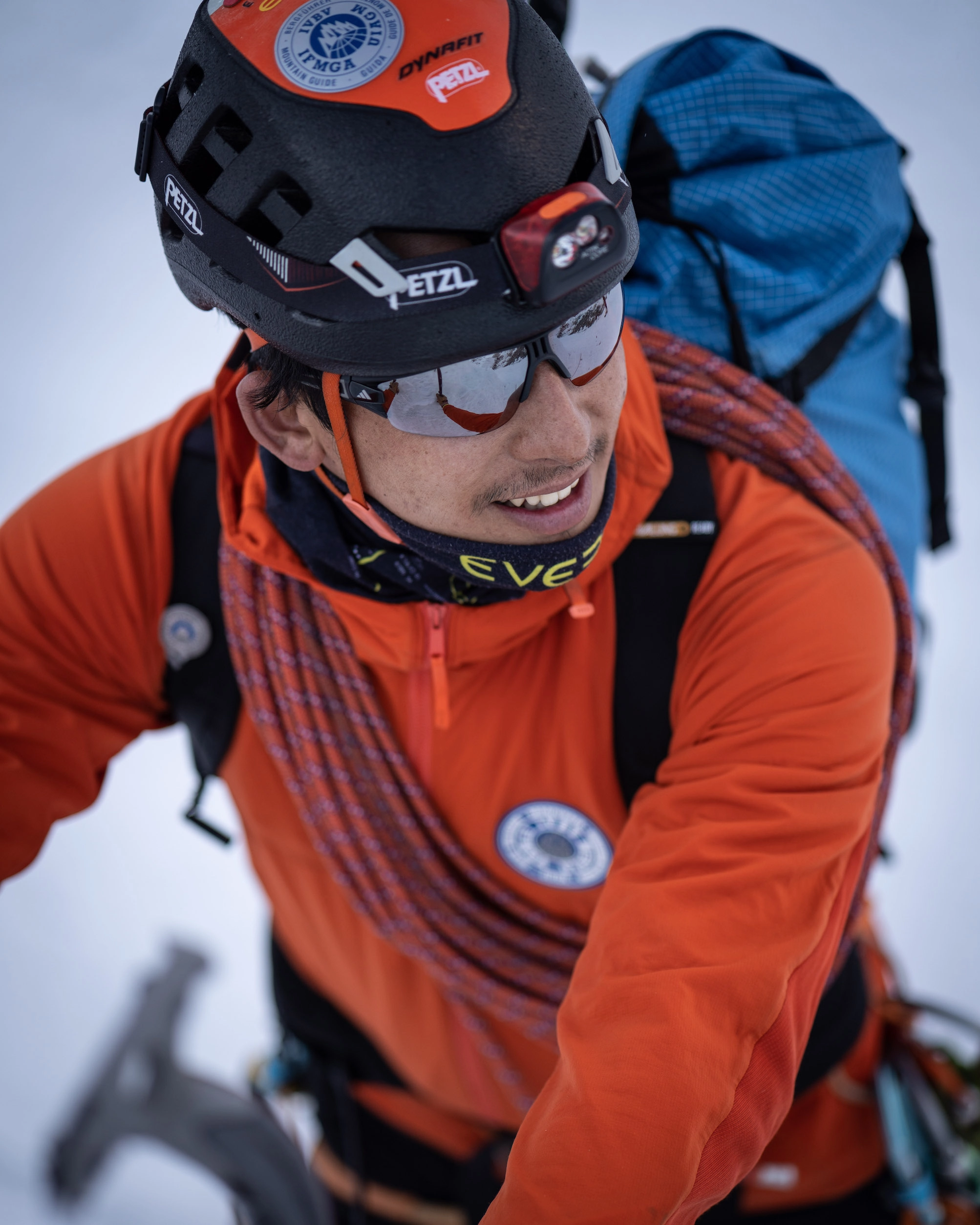
Our IFMGA certified guide - Prakash Sherpa oversees all our expeditions and operations, but you can also guarantee that he'll be your personal, 1:1 guide on the mountain.
FAQs
Personalize Your Trip
Enquiry Now →
Flexible options are available to adjust the itinerary, services, and guiding support based on your needs.